iPhone 18 Pro Is Official: Apple Pushes Hard on Cameras, Gaming Performance and Battery Life
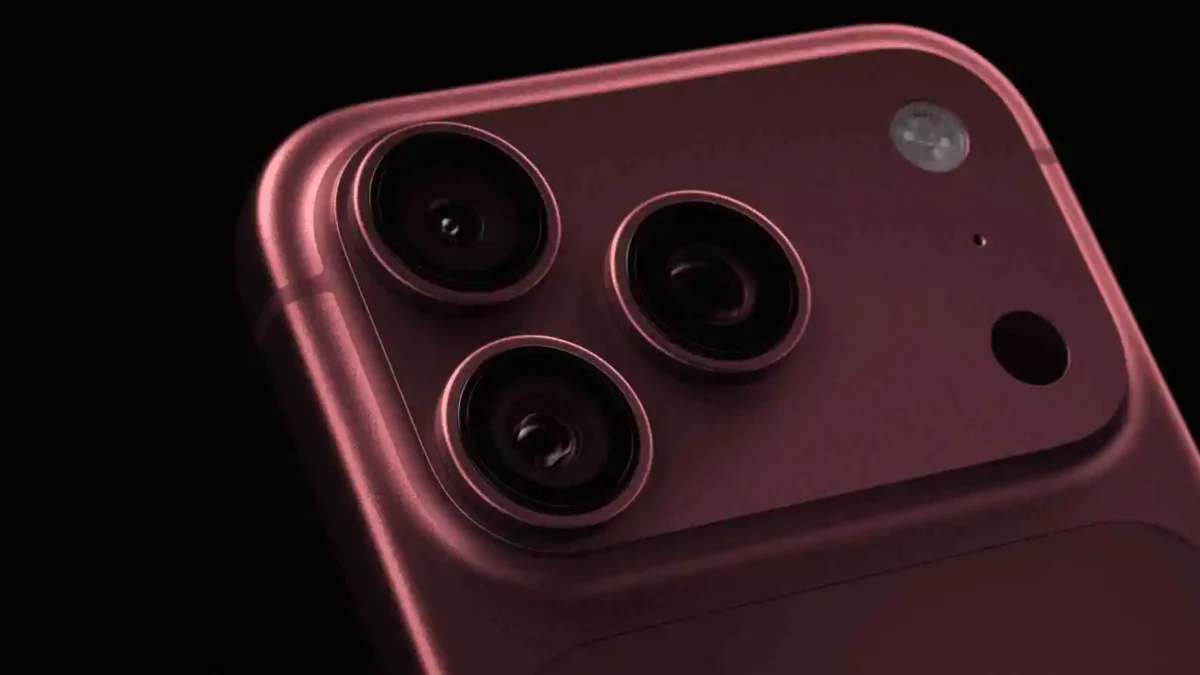
Apple’s iPhone 18 Pro is finally official, and this year’s upgrade looks considerably more substantial than a routine annual processor refresh.
The biggest improvements focus on exactly the areas Pro buyers tend to care about most: camera control, sustained performance, battery life and AI features.
Apple has introduced its new A20 Pro chip, redesigned the phone’s cooling system and added a variable-aperture main camera that gives photographers more direct control over how their images look.
The iPhone 18 Pro starts at $1,199 in the United States, while the larger iPhone 18 Pro Max begins at $1,299. Pre-orders open September 12, with general availability beginning September 18.
For gamers and power users, however, the most interesting change may be hidden inside the phone.
Key Takeaways
- The iPhone 18 Pro introduces Apple’s new 2nm A20 Pro chip with a six-core CPU and seven-core GPU.
- Apple has added a 48MP variable-aperture main camera for greater control over light and depth of field.
- A redesigned vapor chamber aims to improve sustained gaming and professional performance.
- The Pro models feature 6.3-inch and 6.9-inch 120Hz OLED displays with up to 3,000 nits of outdoor brightness.
- iPhone 18 Pro starts at $1,199, while iPhone 18 Pro Max starts at $1,299.
A20 Pro Looks Like Apple’s Biggest Gaming Upgrade in Years
At the heart of both phones is Apple’s new A20 Pro processor, manufactured using a 2-nanometer process.
The chip combines a six-core CPU with a seven-core GPU featuring hardware-accelerated ray tracing and dual 16-core Neural Engines.
Apple says memory bandwidth is significantly higher than the previous generation, while GPU performance can also improve considerably depending on the workload.
Those specifications sound impressive, but the thermal redesign may be even more important.
Anyone who has played a demanding mobile game knows what happens when a smartphone gets hot. Performance can start strong and then drop as the device reduces clock speeds to control temperatures.
Apple says the new vapor chamber has a much larger surface area than the previous cooling solution and is designed to improve sustained performance during demanding workloads.
That could make a noticeable difference in high-end games using ray tracing, high frame rates or advanced graphical effects.
For gamers, sustained performance matters far more than a benchmark result that lasts only a few minutes.
Of course, Apple’s performance claims still need independent testing. Real-world gaming benchmarks will tell us how well the iPhone 18 Pro handles prolonged workloads.
For more coverage of Apple hardware, gaming, AI and consumer technology, visit TechNewsXplore: https://technewsxplore.com/
The Camera Finally Gets a Real Variable Aperture
The camera system introduces one of the most technically interesting changes in this generation.
The 48MP Fusion Main camera now features a variable aperture.
Instead of relying on a single fixed aperture, the mechanism can adjust the opening used by the camera depending on the shooting situation.
Why does that matter?
A wider aperture allows more light to reach the sensor and can create stronger background separation.
A narrower aperture increases depth of field, helping keep more of the scene in focus.
Smartphones have traditionally relied heavily on computational photography to simulate effects like background blur.
The iPhone 18 Pro gives photographers more direct optical control.
Apple is also expanding manual-style camera controls, giving users greater influence over settings such as aperture, shutter speed and white balance.
The rear camera system also includes a 48MP Ultra Wide camera and a 48MP Fusion Telephoto.
That gives Apple’s Pro lineup significantly more flexibility for photography ranging from landscapes to portraits and zoom shots.
Video remains another major focus.
The iPhone 18 Pro supports high-resolution Dolby Vision recording, ProRes workflows and advanced professional recording options designed for creators who increasingly use smartphones as production tools.
At this point, Apple is no longer treating the iPhone camera as simply a convenient alternative to a dedicated camera.
It is becoming a serious production platform.
Apple Reference Image Takes Aim at the AI Photo Problem
One of the quieter additions could become particularly important as AI-generated and heavily edited images become harder to identify online.
Apple calls the feature Apple Reference Image.
The system is designed to create a verifiable reference representing what the iPhone camera originally captured.
That reference can later help users compare the original capture with an edited version.
Think of it as a kind of digital negative for the AI era.
As generative AI tools become increasingly capable of changing images, proving what a camera originally captured may become more important for journalists, creators and professional photographers.
Apple is also integrating metadata and authenticity tools intended to help identify whether images have been modified or generated using artificial intelligence.
This will not solve the wider problem of online misinformation by itself.
Still, putting authenticity technology directly into one of the world’s most widely used smartphone cameras could have a significant impact.
Smaller Dynamic Island, Brighter Display and Better Battery Life
The core display sizes remain familiar.
The iPhone 18 Pro uses a 6.3-inch display, while the iPhone 18 Pro Max offers a larger 6.9-inch panel.
Both use Super Retina XDR OLED technology with ProMotion refresh rates reaching 120Hz.
Outdoor brightness can reach up to 3,000 nits, making the screen easier to view under bright sunlight.
Apple has also reduced the size of the Dynamic Island while expanding what it can display.
The redesigned interface can show multiple Live Activities while continuing to house the Face ID system.
Battery life also receives meaningful improvements.
Apple rates the iPhone 18 Pro for significantly longer video playback, with the Pro Max offering even greater endurance.
Real-world battery life will naturally depend on how the phone is used.
Gaming, 5G, navigation, photography and maximum screen brightness can all reduce endurance.
Still, Apple clearly appears to have made battery efficiency a major priority with the iPhone 18 Pro generation.
iPhone 18 Pro Is More Than a Routine Yearly Refresh
There is no dramatic foldable transformation here.
Apple now has other devices for buyers looking for experimental form factors.
Instead, the iPhone 18 Pro focuses on refining the traditional flagship smartphone formula.
The A20 Pro chip and redesigned cooling system target performance.
The variable-aperture camera gives photographers more real optical control.
Apple Reference Image addresses the growing challenge of identifying AI-modified media.
Meanwhile, Apple Intelligence and the latest Siri features continue pushing artificial intelligence deeper into the iPhone experience.
What remains unproven is how much these upgrades will matter in everyday use.
Apple’s claims about sustained performance, battery improvements and camera quality will need independent benchmarks, long-term testing and direct comparisons with competing flagship smartphones.
But the confirmed hardware already tells us something important.
The iPhone 18 Pro is not relying on a single headline feature.
Apple is improving several of the areas that matter most when users push an expensive flagship phone hard: performance, heat management, battery endurance, camera control and AI processing.
For a Pro smartphone starting at $1,199, those are exactly the areas where meaningful upgrades should happen.
Official Sources
Apple Newsroom — iPhone 18 Pro and iPhone 18 Pro Max announcement
https://www.apple.com/newsroom/2026/09/apple-debuts-iphone-18-pro-and-iphone-18-pro-max/
Apple — iPhone 18 Pro Technical Specifications
https://www.apple.com/iphone-18-pro/specs/

Alex Mercer is the managing editor of Tech News Xplore. A hardware journalist for over a decade, he has benchmarked more CPUs, GPUs and handhelds than he can count, and leads the publication's testing methodology and editorial standards.