iPhone Duo vs Pixel 11 Pro Fold: Foldable Durability Finally Gets Serious
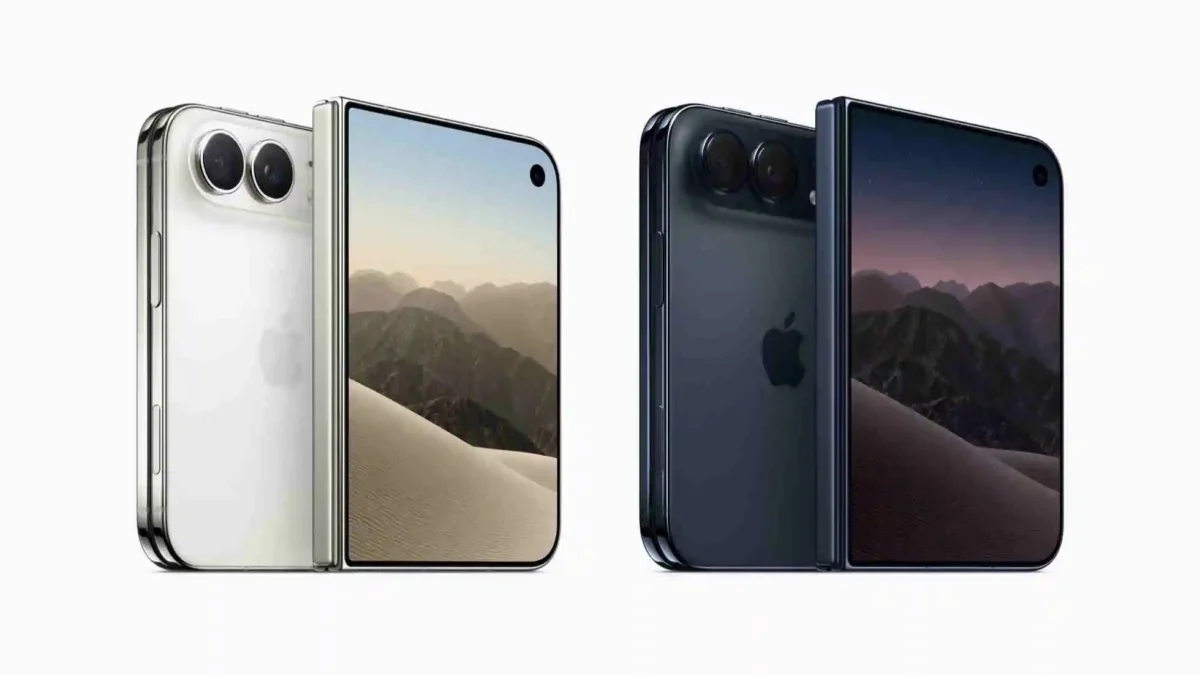
Foldable phones have spent years asking buyers to accept a slightly uncomfortable trade-off: pay flagship money for an impressive screen, then spend the next few years treating the device like fragile laboratory equipment.
Apple and Google are now trying to kill that reputation.
The newly announced iPhone Duo and Google’s Pixel 11 Pro Fold represent a different generation of foldables—one where durability is no longer buried in the fine print. Both companies are putting hinges, tougher materials, reinforced displays and IP68 protection near the center of the conversation.
And that could matter more than another camera megapixel or AI feature.
Key Takeaways
- Both the iPhone Duo and Pixel 11 Pro Fold carry IP68 dust- and water-resistance ratings.
- Apple uses a Grade 5 titanium structure, Ceramic Shield protection and a heavily reinforced flexible display.
- Google says the Pixel 11 Pro Fold is three times more durable than its predecessor, helped by a new gearless hinge and composite rear cover.
- The Pixel offers larger 6.5-inch and 8-inch displays, while Apple’s Duo uses 5.4-inch and 7.6-inch panels.
- Google starts at $1,899 in the US, while Apple’s iPhone Duo starts at $1,999.
Apple attacks the biggest weakness of foldable phones
Apple waited a long time before entering the foldable market, and its hardware choices suggest the company knew exactly what skeptics would target first: the hinge and flexible screen.
The iPhone Duo uses a Grade 5 titanium enclosure and a hinge assembled from more than 100 components. Apple says the mechanism supports the center of the display when the device is opened while internal ribs add structural stiffness.
The exterior protection is equally aggressive. Ceramic Shield covers the rear, while Ceramic Shield 2 protects the outer screen. Apple says the newer material offers three times better scratch resistance than the previous generation.
The flexible 7.6-inch internal display gets a more unusual construction. Apple uses a scratch-resistant coating, a custom polymer cover layer, high-strength glass above and below the folding panel, specialized adhesives and a titanium reinforcement plate underneath.
That is a lot of engineering devoted to one problem: bending a screen thousands of times without turning it into the most expensive weak point in your pocket.
Perhaps even more importantly, the Duo carries an IP68 rating for dust and water resistance.
For a first-generation Apple foldable, that is a strong starting position on paper.
Google isn’t playing defense anymore
Google already has several generations of foldable hardware behind it, and the Pixel 11 Pro Fold shows what that experience can deliver.
The phone introduces a redesigned gearless hinge that Google says better protects the flexible inner display. Its larger bending radius and thicker inner glass layer are also designed to improve crease performance.
Google pairs that mechanism with what it describes as an ultra-durable glass-fiber composite rear panel and ceramic cover glass over the outer Super Actua display.
The result? Google says the Pixel 11 Pro Fold is three times more durable than the Pixel 10 Pro Fold, based on internal testing of pre-production hardware. That qualifier matters: three times stronger than the previous Pixel does not automatically mean three times stronger than Apple’s phone.
Still, Google’s progress is significant.
The Pixel also matches Apple with IP68 dust and water protection—an especially important achievement for a category built around moving mechanical parts. Google notes that water and dust resistance can diminish with normal wear and that the phone is not drop-proof.
That’s the kind of distinction buyers should remember whenever manufacturers use words such as “durable.”
Pixel goes bigger, while Apple takes a more compact approach
The two phones also reveal very different ideas of what a foldable should feel like.
Google’s Pixel 11 Pro Fold has a 6.5-inch outer OLED display and an 8-inch folding screen inside. Both support refresh rates from 1Hz to 120Hz, while Google lists peak brightness at up to 3,600 nits.
Apple takes a smaller approach. The iPhone Duo has a 5.4-inch exterior display and a 7.6-inch folding panel inside.
That could make the Duo attractive to people who want a small phone when closed but still want a tablet-like canvas when opened. Google, meanwhile, gives you more conventional smartphone space before you even unfold the device.
For gaming, video and multitasking, the Pixel’s larger canvas is immediately tempting. Apple counters with its A20 Pro processor, a custom vapor chamber and software specifically redesigned around the two-display form factor.
The hardware war therefore isn’t simply “bigger is better.” It’s compactness versus maximum working space.
Readers following the wider battle between premium smartphones, AI hardware and next-generation mobile chips can also find more coverage on TechNewsXplore.
The real winner won’t be decided by a specification sheet
There is another major difference: Google already has the Pixel 11 Pro Fold on the market, while Apple’s foldable has only just been announced.
Google released the Pixel 11 Pro Fold on August 20, 2026. Its standard US retail price starts at $1,899 before trade-in promotions.
The iPhone Duo starts at $1,999 in the US, with pre-orders opening October 16 and general availability beginning October 23.
That $100 gap isn’t enormous in a category already hovering around $2,000. Ecosystem preference, cameras, software, AI tools and long-term durability will probably matter far more.
And that last point is where things get interesting.
Apple’s titanium frame, complicated hinge architecture and reinforced inner display sound extremely convincing. Google’s redesigned hinge, tougher composite construction and several generations of foldable experience are equally hard to dismiss.
But manufacturer durability claims aren’t the same thing as years of actual ownership.
Until independent drop, scratch, dust and long-term folding tests put both devices through the same punishment, calling either phone definitively “more durable” would be premature.
What we can say is that the foldable market has crossed an important line. Durability is becoming a competitive feature instead of an unavoidable compromise.
A few years ago, buying a folding phone felt like buying exciting technology with a warning label attached. In 2026, Apple and Google are both trying to convince us that a foldable can finally be treated like a normal flagship.
If they deliver on that promise, the biggest breakthrough this year might not be the folding screen at all. It could simply be not worrying about it every time you put the phone in your pocket.
Official Sources

Alex Mercer is the managing editor of Tech News Xplore. A hardware journalist for over a decade, he has benchmarked more CPUs, GPUs and handhelds than he can count, and leads the publication's testing methodology and editorial standards.