RayNeo announces new iO Smart Glasses and GT Series with cinema-grade display
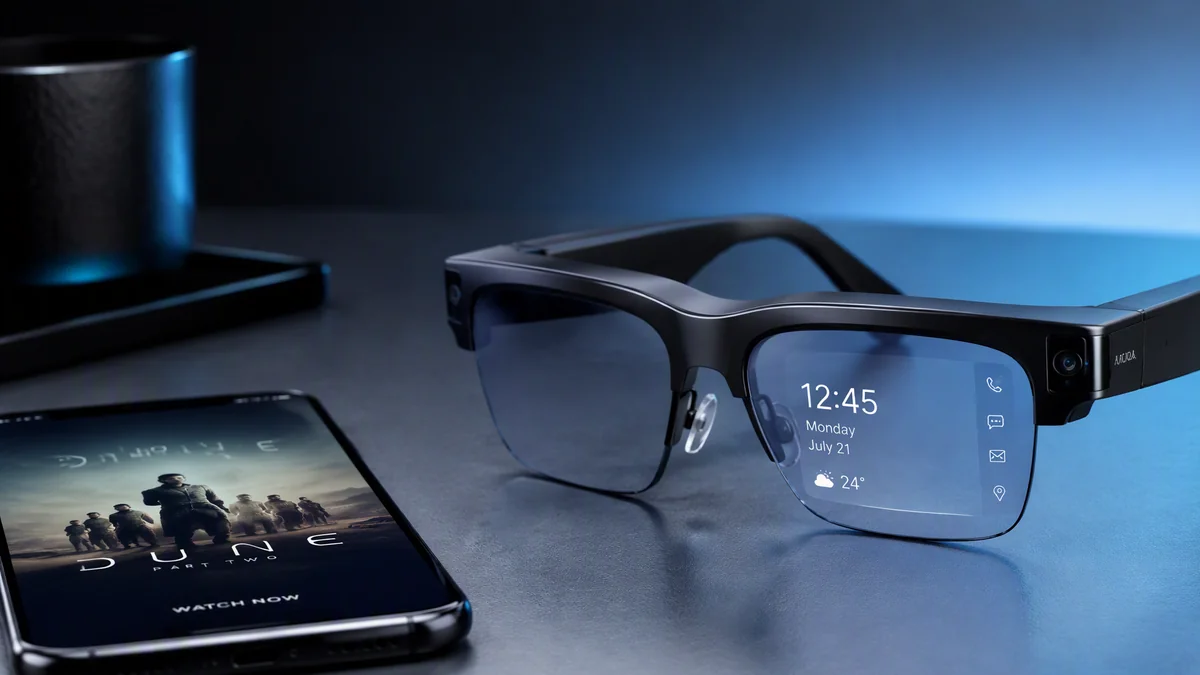
Remember when smart glasses were a punchline? Clunky frames, dim displays, battery anxiety before lunch. RayNeo clearly remembers, because its new iO Smart Glasses and GT Series read like a direct rebuttal to every excuse the category has ever made.
Key Takeaways
- RayNeo unveiled the iO Smart Glasses alongside a new GT Series flagship.
- The GT Series pushes a cinema-grade micro OLED display with higher brightness and a wider color gamut.
- Both lines target media consumption first, with private audio and a lighter fit.
- Pricing and regional availability are expected in the coming weeks.
Two product lines, one clear strategy
RayNeo is splitting its lineup in a way that makes immediate sense. The iO Smart Glasses are the everyday pair: lighter frames, voice assistant features, notifications and camera duties, aimed at people who want a wearable first and a display second. The GT Series is the opposite bet. It is unapologetically a personal cinema, built around a new micro OLED panel that the company describes as cinema-grade, with the brightness and contrast to make a virtual big screen feel like an actual big screen.
That split matters. The category has struggled when companies tried to make one frame do everything. By separating the lightweight daily wearable from the media powerhouse, RayNeo can optimize each instead of shipping a compromise.
The GT Series display is the story
Display glasses live or die on three numbers: brightness, perceived screen size and color. RayNeo claims meaningful jumps on all three for the GT Series, with a micro OLED panel that pushes peak brightness well past the previous generation and covers a wide cinema color gamut. The virtual screen floats at a simulated distance designed for lean back viewing, the use case that actually works on a plane or a couch.
| Feature | iO Smart Glasses | GT Series |
|---|---|---|
| Primary role | Everyday smart wearable | Personal cinema display |
| Display | Compact information display | Micro OLED, cinema-grade color |
| Brightness | Tuned for indoor and outdoor glanceable use | Higher peak brightness for HDR content |
| Audio | Open ear speakers with voice pickup | Tuned private audio, leak resistant design |
| Inputs | Voice, touch, companion app | USB-C DisplayPort, companion app |
| Fit | Lightweight everyday frames | Cushioned fit for long viewing sessions |
Private audio without the earbuds
Both lines lean on directional open ear speakers, and RayNeo says it spent real effort on sound leakage, the eternal embarrassment of the category. If your neighbor on a red eye flight can hear your movie, the product has failed. The company claims its new acoustic chamber design keeps dialogue intelligible for the wearer while staying effectively silent an arm’s length away. We will test that claim the moment units arrive.
Why this launch lands now
The timing is not an accident. Handheld gaming is booming, streaming on the go is the norm, and devices like the ASUS ROG Ally X have trained a whole audience to want a bigger screen without carrying a bigger device. Display glasses slot perfectly into that gap: plug into a handheld, a phone or a laptop, and your 7 inch screen becomes a virtual theater. RayNeo is explicitly courting that crowd with the GT Series, and the pitch is stronger than it has ever been.
There is also a broader wearables context. After years of overpromising, the smart glasses market has quietly found its footing by narrowing its ambitions. Camera glasses for creators, audio glasses for commuters, display glasses for media. RayNeo now has a horse in two of those three races.
Where the iO fits in daily life
The iO Smart Glasses are aimed at the quieter jobs: heads-up notifications, quick photo capture, voice assistant queries and turn by turn prompts that never demand you pull out a phone. This is the segment that has quietly found product market fit over the past two years, precisely because it stopped chasing science fiction. The hardware asks little of your face and your battery, and in exchange it shaves fifty phone-checks off your day. RayNeo’s challenge here is less about optics and more about polish: app stability, assistant responsiveness and how gracefully the glasses behave when your phone is in another room.
The competitive picture
RayNeo is not entering an empty room. Established camera glasses own the creator niche, audio-first frames own the commuter crowd, and at least two rivals already ship display glasses aimed at the same media-first buyer the GT Series targets. What RayNeo brings is panel pedigree: the company has consistently shipped brighter, sharper optics than its price bracket suggests. If the cinema-grade claim holds, the GT Series could reset what buyers expect at its tier, the same way aggressive pricing reset expectations for handhelds.
Battery, charging and the tether question
Display glasses historically split into two camps: tethered viewers that draw power from the source device, and self-contained units that carry a battery on your face and the weight penalty that comes with it. RayNeo’s positioning suggests the GT Series stays in the tethered camp, trading onboard battery bulk for a lighter fit and effectively unlimited session length from a handheld or power bank. The iO, as a daily wearable, carries its own battery and will live or die on whether it clears a full waking day. Those are the right trade-offs for each product’s job, and they are worth stating plainly because the spec table will not.
The open questions
Spec sheets do not tell you how a nose bridge feels in hour three, or how much heat a brighter panel dumps onto your brow. Compatibility is another question mark: USB-C DisplayPort Alt Mode covers most modern phones, handhelds and laptops, but the edge cases, older devices and anything from Apple with its own rules, always need hands on verification. Prescription lens support, regional pricing and launch dates are the other details we are waiting on.
As with every product we cover, anything that reaches our bench goes through the process outlined on our review methodology page, including extended wear testing that press releases conveniently skip.
Official specifications and availability are published on the official RayNeo website.
The bottom line
Smart glasses stopped being a joke when manufacturers stopped trying to replace your phone. RayNeo’s iO and GT Series embrace that lesson: one pair for daily life, one for your private theater, no compromise frame in between. The cinema-grade display claims are bold, and the category’s history makes skepticism healthy, but the strategy is the smartest we have seen from RayNeo yet. The punchline era is over; the interesting part is just starting.
Planning to pick up display glasses for travel or handheld gaming? Tell the team what you want tested and we will put it on the bench list.

Alex Mercer is the managing editor of Tech News Xplore. A hardware journalist for over a decade, he has benchmarked more CPUs, GPUs and handhelds than he can count, and leads the publication's testing methodology and editorial standards.